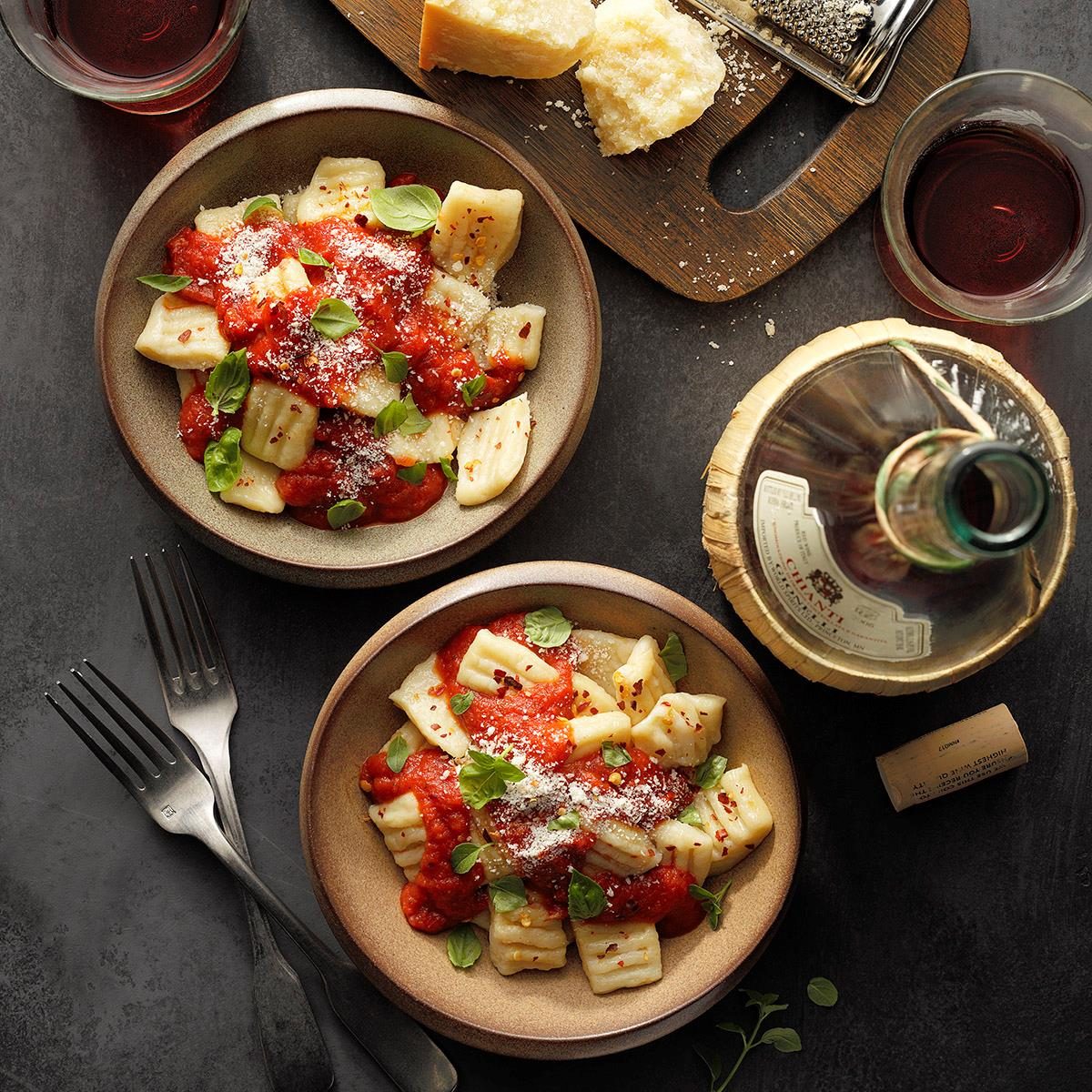
Easy Homemade Potato Gnocchi: Crafting Fluffy Pillows Every Time
Dreaming of delicate, melt-in-your-mouth pasta that feels like a hug in a bowl? Look no further than
easy homemade potato gnocchi. While store-bought versions offer convenience, there’s an unparalleled joy and satisfaction in crafting these fluffy pillows from scratch. Many home cooks are intimidated by the idea of making gnocchi, but we're here to tell you it's not only achievable but also incredibly rewarding. With a few simple ingredients and some tried-and-true techniques, you'll be rolling and cooking perfect gnocchi like a seasoned Nonna in no time.
Homemade gnocchi boasts a superior texture and fresh flavour that pre-packaged varieties simply can't match. Imagine a light, soft interior encased in a slightly crisp exterior after a quick pan-fry – it’s pure culinary bliss. Beyond the incredible taste, the process itself is wonderfully therapeutic. So, let’s dive into the world of homemade potato gnocchi and unlock the secrets to achieving those irresistibly light and airy morsels every single time.
The Foundation: Choosing Your Ingredients Wisely
The success of your
easy homemade potato gnocchi hinges on starting with the right ingredients. Quality and type matter significantly, especially when it comes to potatoes and flour.
*
Potatoes: The Star of the Show
The most crucial ingredient is, undoubtedly, the potato. For light, fluffy gnocchi, you absolutely need a floury, starchy baking potato with low moisture content. Waxy potatoes, often used for salads, contain more water and will result in dense, gummy gnocchi – precisely what we want to avoid!
In the USA, excellent choices include
Russet or
Yukon Gold potatoes. Across the pond, varieties like
Maris Piper,
King Edward, or New Zealand's
Agria are ideal. Think of the potatoes you would typically use for roasting or baking; these are your best bet. Aim for potatoes of a relatively even size, as this ensures they cook uniformly. Boiling them whole with their skins on also helps prevent them from absorbing too much water, contributing to a lighter dough.
*
Flour: Less is More
When it comes to flour, the goal is to use as little as possible to bind your gnocchi dough without making it tough. All-purpose (plain) flour works perfectly fine, but some enthusiasts prefer Tipo 00 flour, a finely milled Italian flour, for an even silkier texture. The key is its low protein content, which limits gluten development. While we haven't tested it extensively, some have successfully substituted gluten-free blends or rice flour for dietary reasons, as the amount of flour needed is minimal. Remember, the less flour you incorporate, the lighter your gnocchi will be.
*
The Egg Debate: To Bind or Not to Bind?
This is where opinions diverge! Many traditional Italian gnocchi recipes, like those taught by Jamie Oliver's Nonna Teresa, omit eggs entirely, especially when the gnocchi is made and cooked fresh. The argument is that omitting the egg results in an even lighter gnocchi, allowing the potato flavour to shine.
However, some recipes, including those that might be prepared slightly in advance or for restaurant service, incorporate one beaten egg. The egg acts as an extra binder, providing a bit more stability and richness to the dough.
Ultimately, the choice is yours, and both methods can yield fantastic results. If you're a purist seeking ultimate lightness, try it without an egg first. If you prefer a slightly more forgiving dough or a richer flavour, an egg can be a welcome addition. For a deeper dive into this fascinating culinary discussion, check out our article on
Egg or No Egg? Crafting Perfect Homemade Potato Gnocchi.
*
Seasoning: Don't Forget the Basics
A generous pinch of sea salt and freshly ground black pepper are essential to season your potatoes. Jamie Oliver also recommends a touch of freshly grated nutmeg, which adds a wonderfully subtle warmth that complements the potato beautifully.
Essential Tools for Fluffy Gnocchi Success
While you don't need a professional chef's kitchen, a few key pieces of equipment will elevate your
easy homemade potato gnocchi making experience from good to absolutely outstanding.
*
Digital Kitchen Scales: Precision is Key
Unlike many baking recipes where cups and spoons might suffice, pasta making thrives on precision. Using digital kitchen scales to measure your potatoes and flour ensures consistency and helps you achieve the perfect dough hydration every time. There's no real substitute here for accurate results.
*
The Mighty Potato Ricer: Your Secret Weapon
If there's one piece of equipment you *must* invest in for perfect gnocchi, it's a potato ricer. Seriously. Mashing potatoes with a traditional masher breaks down the starch cells in a way that activates gluten and can lead to heavy, dense, even gummy gnocchi. A ricer, on the other hand, presses the cooked potato through small holes, creating light, airy strands without overworking the starch. This is the single biggest factor in achieving that coveted light and fluffy texture. If you don't have one, consider it an indispensable tool for any aspiring gnocchi maker.
*
Work Surface: A Wooden Board is Ideal
A large, clean wooden chopping board or pastry board is perfect for kneading and rolling your gnocchi dough. Wood has a slight porosity that can absorb a little excess moisture from the dough, and it provides good grip, making the shaping process easier. If you don't have a wooden board, a clean, lightly floured countertop will also work.
*
Sharp Knife: For Clean Cuts
A large, sharp chef's knife is invaluable for cleanly cutting your gnocchi ropes into individual pieces. Clean cuts prevent the dough from tearing and ensure uniform shapes.
*
Gnocchi Board or Fork (Optional but Fun!)
While entirely optional, a gnocchi board (a small ridged wooden paddle) or the back of a fork can be used to create traditional ridges on your gnocchi. These grooves are not just for aesthetics; they help your sauce cling beautifully to each pillow of pasta. Some purists, like the "Burnt Butter Table" source, prefer to handle the gnocchi as little as possible to maintain maximum lightness, opting for plain pieces. It's a matter of personal preference and can be fun to experiment with!
Crafting Your Gnocchi: A Step-by-Step Guide to Fluffy Results
With your ingredients and equipment ready, it’s time for the magic to happen. The process for making
easy homemade potato gnocchi is straightforward, but attention to detail, especially regarding gentle handling, is paramount.
1. **Prepare Your Potatoes:**
Wash your chosen floury potatoes and cook them whole, with their skins on, in a large pot of well-salted boiling water. Depending on their size, this usually takes 20-30 minutes, or until they are fork-tender. Cooking them whole helps prevent waterlogging, which is crucial for light gnocchi. Once cooked, drain them thoroughly and let them cool just enough so you can handle them comfortably. Then, peel them immediately. This step is important for getting rid of moisture.
2. **Rice the Potatoes:**
While still warm (but not scalding hot), pass the peeled potatoes through your potato ricer directly onto your clean wooden work surface or into a large bowl. The goal is to create a mound of fluffy, airy potato strands. Avoid packing them down.
3. **Combine with Flour and Seasoning:**
Gently sprinkle your measured flour (start with the lower end of the recommended amount), sea salt, freshly ground black pepper, and a grating of nutmeg over the riced potatoes. If you're using an egg, lightly beat it and drizzle it evenly over the mixture at this point.
4. **Form the Dough (The Gentle Way):**
Using clean hands or a bench scraper, very gently bring the mixture together. The key here is *not* to knead it like bread dough. Instead, use a light "scrunching" or "pushing" motion, folding the ingredients over themselves until they just come together to form a soft, pliable dough. Potatoes vary in moisture, so use your common sense: if the dough feels too sticky, add a tiny bit more flour, a teaspoon at a time, until it's manageable. Overworking the dough will develop the gluten in the flour, resulting in tough, chewy gnocchi instead of those desired fluffy pillows.
5. **Roll and Cut:**
Divide your dough into 3 or 4 equal portions. Lightly dust your work surface with a minimal amount of flour. Take one portion of dough and gently roll it into a long 'sausage' or rope, about 2cm (just under 1 inch) in thickness. Try to keep the pressure even to maintain a consistent diameter.
Once you have a uniform rope, use your sharp knife to cut it into individual gnocchi pieces, approximately 2-3cm (1 inch) in length.
6. **Shape (Optional):**
If you wish to add ridges, gently roll each cut piece down a gnocchi board with your thumb, or press it lightly against the back of a fork and roll it off. This creates those classic grooves that help sauces adhere. If you prefer to keep them plain for maximum lightness, simply leave them as cut. Place your finished gnocchi on a lightly floured baking tray or parchment paper, ensuring they don't touch, to prevent sticking. For more detailed tips and troubleshooting, explore
Homemade Potato Gnocchi Tips: The Secret to Light & Fluffy Results.
Cooking and Serving Your Fluffy Creations
Once your gnocchi are shaped, they cook incredibly quickly. Bring a large pot of generously salted water to a rolling boil.
* **Boil in Batches:** Drop a small batch of gnocchi into the boiling water – don't overcrowd the pot, as this will lower the water temperature and make them mushy. The gnocchi are cooked when they float to the surface, usually within 1-2 minutes.
* **Drain and Serve:** Use a slotted spoon or spider to gently scoop the cooked gnocchi out of the water. You can then toss them directly with your favourite sauce, or take them to the next level.
* **The Pan-Fried Finish:** For an exquisite texture contrast, consider pan-frying your boiled gnocchi. Melt some butter (or olive oil) in a skillet over medium-high heat. Add the boiled gnocchi and cook for a few minutes, stirring occasionally, until they develop a beautiful golden-brown, crispy exterior. This golden crunch against the soft interior is truly divine, especially when served with a simple brown butter and sage sauce.
Homemade potato gnocchi is incredibly versatile. Classic pairings include a rich marinara, vibrant pesto, creamy mushroom sauce, or the aforementioned brown butter and sage. For a decadent treat, try them with a gorgonzola cream sauce or tossed simply with olive oil, garlic, and fresh herbs.
Conclusion: The Joy of Homemade Gnocchi
Embracing the art of making
easy homemade potato gnocchi is a culinary journey that promises delicious rewards. From selecting the right floury potatoes to gently ricing them and avoiding overworking the dough, each step contributes to the creation of those coveted light and fluffy pillows. While it might seem like a project, the satisfaction of serving your own handcrafted gnocchi, knowing every ingredient that went into it, is immeasurable. So, gather your ingredients, trust the process, and prepare to delight your taste buds and impress your loved ones with these delightful homemade potato gnocchi. Happy cooking!