Egg or No Egg? Crafting Perfect Homemade Potato Gnocchi
There’s a certain magic that happens when a few humble ingredients transform into something truly extraordinary. Few dishes encapsulate this better than homemade potato gnocchi. Forget the dense, store-bought versions; we’re talking about light, airy, melt-in-your-mouth pillows that dance with your favorite sauce. Crafting
easy homemade potato gnocchi is not just a culinary task, it's a rewarding experience that will elevate your comfort food game to professional levels. And don't worry, it's far less tricky than you might imagine, requiring minimal equipment and just a handful of ingredients.
The journey to perfect gnocchi often begins with a simple question that divides home cooks and culinary masters alike: to egg, or not to egg? This seemingly small decision can subtly influence the texture, flavor, and handling of your dough, leading to beautifully distinct results. Let's delve into this delicious debate and equip you with all the tips and tricks to roll out your own fluffy creations time and time again.
The Great Gnocchi Debate: To Egg, or Not To Egg?
The inclusion or omission of an egg is perhaps the most significant divergence in traditional gnocchi recipes. Both methods yield fantastic results, but they offer subtly different experiences. Understanding these differences will help you choose the path that best suits your palate and cooking style for your
easy homemade potato gnocchi.
The Case for Eggs: Stability and Richness
Many beloved recipes, including some of our favorites, call for a single beaten egg. What does the egg bring to the party?
- Binding Power: An egg acts as a natural binder, helping to bring the dough together with potentially less flour. This can be particularly helpful if your potatoes are slightly wetter than ideal.
- Richer Flavor and Color: The yolk contributes a subtle richness and a beautiful golden hue to the gnocchi, enhancing its appeal.
- Easier Handling: Some find that egg-inclusive dough is slightly more forgiving and easier to handle, especially if you're not planning to cook the gnocchi immediately or if you're a beginner. It can offer a little more stability if the gnocchi is prepared in advance, a common practice in restaurant settings.
If you prefer a slightly more robust gnocchi that holds its shape well and offers a richer taste, the egg method might be for you.
The Case Against Eggs: Pure Fluffiness and Authenticity
On the other side of the debate, many traditional Italian nonnas, like Jamie Oliver's Nonna Teresa, swear by egg-free gnocchi. This method emphasizes the purity of the potato and aims for the lightest possible texture.
- Unrivaled Lightness: Without the egg, the gnocchi tends to be incredibly light and ethereal, allowing the delicate potato flavor to shine through unhindered. This is the ultimate goal for many gnocchi aficionados.
- Purer Potato Flavor: The absence of egg allows the natural sweetness and earthiness of the potato to be the star of the show.
- Vegan-Friendly: Naturally, omitting the egg makes your gnocchi a wonderful option for vegan diets, provided you also use a plant-based sauce.
The key to successful egg-free gnocchi often lies in working quickly and handling the dough as little as possible to maintain its delicate structure. If you prioritize an incredibly airy, cloud-like texture and a pronounced potato taste, going egg-free is a fantastic choice. Whichever path you choose, the secret to the best
Homemade Potato Gnocchi Tips: The Secret to Light & Fluffy Results often lies in the foundation: your ingredients and tools.
The Foundation of Fluffiness: Choosing Your Potatoes and Essential Tools
Regardless of your egg preference, the bedrock of truly great gnocchi lies in selecting the right potatoes and employing a few key pieces of equipment.
The Right Potatoes: Starchy is Best
This is perhaps the most critical ingredient. You need a *floury* or *starchy* potato, not a waxy one. Why? Starchy potatoes have less moisture and break down into a fluffy, dry texture when cooked, which means you'll need to add less flour to the dough. Less flour equals lighter gnocchi!
- Recommended Varieties: In the USA, opt for Russet potatoes or Yukon Gold. In the UK, Maris Piper or King Edward are excellent choices. New Zealand's Agria potatoes are also ideal.
- Avoid: Waxy potatoes like new potatoes or red-skinned varieties, as they hold more water and become gummy when mashed, leading to heavy, dense gnocchi.
For best results, cook your potatoes whole – either boiled or baked. Baking can sometimes yield an even drier potato, as the moisture steams out during cooking, requiring even less flour.
Essential Equipment for Light Gnocchi
While the list isn't long, a few items are non-negotiable for achieving that coveted light, fluffy texture:
- Kitchen Scales: Precision is paramount in pasta making. Measuring your potatoes and flour by weight, not volume, ensures consistent results.
- Potato Ricer: This is your secret weapon. A ricer pushes the cooked potato through small holes, creating an incredibly light, airy texture free of lumps. Mashing, by contrast, can overwork the potato, making it gluey and dense. If you don't own one, seriously consider investing – it's a game-changer for mashed potatoes too!
- Large Baking Tray: Useful for baking potatoes and then cooling them slightly.
- Wooden Chopping Board/Work Surface: Ideal for kneading and rolling gnocchi, as it’s less sticky than other surfaces.
- Sharp Knife: For clean cuts when portioning your dough.
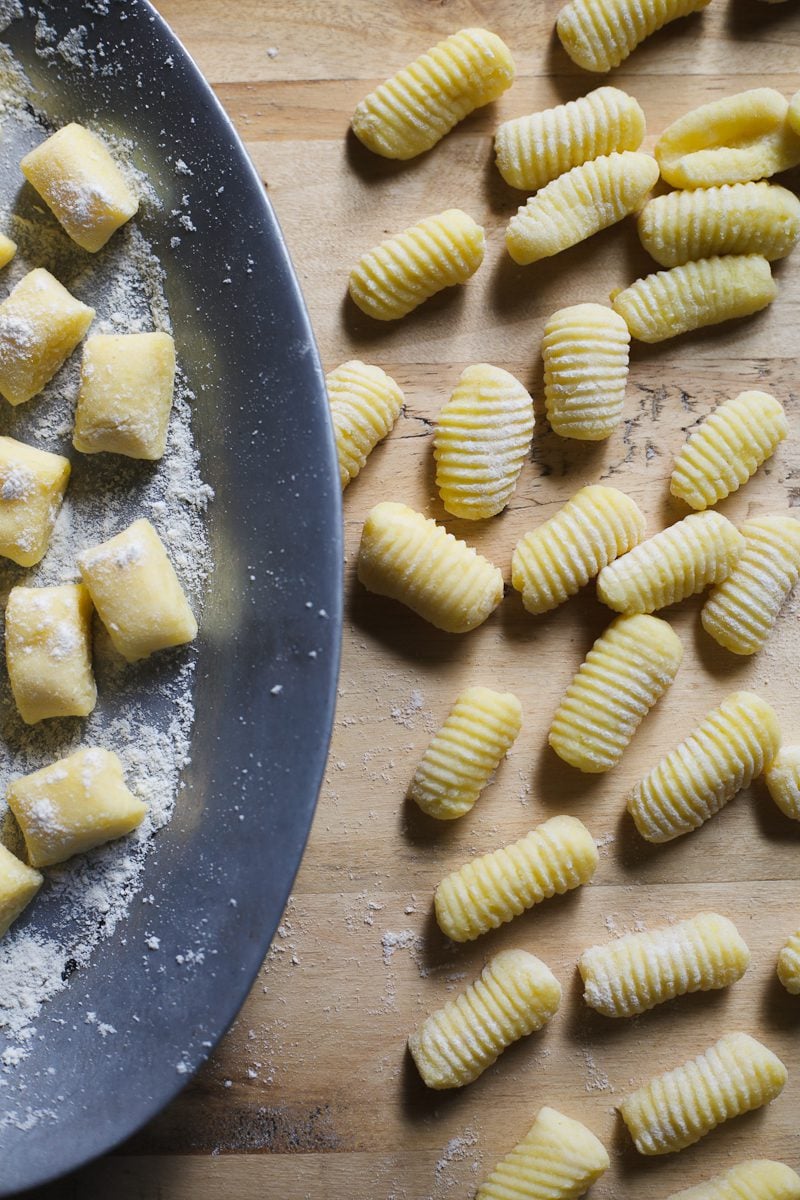
- Gnocchi Board or Fork (Optional): While not strictly necessary (some prefer plain gnocchi for minimal handling), rolling gnocchi down a ridged board or the back of a fork creates grooves that sauces cling to beautifully.
Mastering the Mix: From Potato to Perfect Dough
With your ingredients and tools at the ready, it's time to bring your gnocchi to life. The process is straightforward, but a few key steps ensure success.
1.
Cook and Dry Your Potatoes: Cook your whole, unpeeled potatoes until completely tender. If boiling, drain them immediately and let them steam dry in the colander for a few minutes. If baking, remove them from the oven. The goal is to remove as much moisture as possible.
2.
Rice While Warm: As soon as the potatoes are cool enough to handle (but still warm), peel them. Immediately pass them through your potato ricer onto a clean, dry work surface – ideally a large wooden board. Working with warm potatoes helps them incorporate ingredients more easily and reduces the need for excessive handling.
3.
Flour and Season: Make a well in the center of your riced potatoes. Sprinkle over your measured flour (plain all-purpose or Tipo 00 are excellent; a good starting point is about 100g of flour per 1kg of potatoes, but adjust based on your potato's moisture). Season generously with sea salt, freshly ground black pepper, and a grating of nutmeg for warmth. If using an egg, lightly beat it and add it to the well now.
4.
Gentle Incorporation: This is where patience pays off. Using clean hands, gently "scrunch and push" the ingredients together, working from the outside in. The goal is to bring the mixture into a cohesive dough with minimal kneading. Overworking the dough develops gluten, which makes gnocchi tough and chewy. Use your common sense: if the dough is too sticky, add a tiny bit more flour, a spoonful at a time. It should be soft, pliable, and just barely sticky.
Shaping Your Pillows: Techniques for Tantalizing Texture
Once you have a cohesive dough, it's time to transform it into those iconic gnocchi shapes.
1.
Divide and Roll: Divide your dough into four equal portions. On a lightly floured surface, take one portion and gently roll it into a long "sausage" shape, about 2cm (just under an inch) thick. Aim for even thickness to ensure uniform cooking.
2.
Slice: Using your sharp knife, cut the rope into individual gnocchi pieces, roughly 2-3cm (about 1 inch) long. You can leave them as rustic little pillows, which is perfectly acceptable and often preferred for maximum fluffiness.
3.
Optional Grooves: If you desire grooves for sauce adhesion, gently roll each piece down a gnocchi board or the back of a fork. The key is to apply just enough pressure to create the ridges without flattening the gnocchi too much. Remember, less handling means lighter gnocchi!
4.
Prepare for Cooking: Place the shaped gnocchi on a lightly floured baking tray or parchment paper, ensuring they don't touch, especially if you plan to cook them in batches or freeze some. You can find more comprehensive details about the entire process in our article on
Easy Homemade Potato Gnocchi: Get Fluffy Pillows Every Time.
Cooking Your Creations: Boiling, Frying, and Beyond
Homemade gnocchi cooks incredibly fast, so have your sauce ready!
1.
Boil: Bring a large pot of salted water to a rolling boil. Gently drop a small batch of gnocchi into the water. Don't overcrowd the pot, as this can lower the water temperature and make the gnocchi stick together.
2.
Wait for Them to Float: The gnocchi will sink, then float to the surface within 1-3 minutes when cooked. Once they float, let them cook for another 30 seconds to a minute to ensure they're cooked through.
3.
Serve or Finish:
- Classic: Remove the gnocchi with a slotted spoon or spider and toss immediately with your favorite sauce – a simple sage butter sauce, pesto, or marinara are all fantastic.
- Crispy Pan-Fried: For an irresistible textural contrast, transfer the boiled gnocchi directly into a hot pan with melted butter or olive oil. Pan-fry until golden and slightly crispy on the outside. This method, beloved by many, creates a wonderful crunch that gives way to a soft, fluffy interior. Try finishing them in a brown butter sauce for an extra decadent touch.
Conclusion
Making
easy homemade potato gnocchi is a culinary endeavor that promises immense satisfaction. Whether you choose to incorporate an egg for a richer, more stable dough or opt for the pure, ethereal lightness of an egg-free version, the process is rewarding and the results are undeniably delicious. Remember the golden rules: starchy potatoes, a trusty potato ricer, and a gentle touch. Embrace the journey of crafting these delightful little pillows, and you'll soon be rolling them like a pro, ready to impress yourself and your loved ones with a taste of authentic Italian comfort. So, why wait? Roll up your sleeves, pick your path, and get ready to enjoy the unparalleled joy of homemade gnocchi!